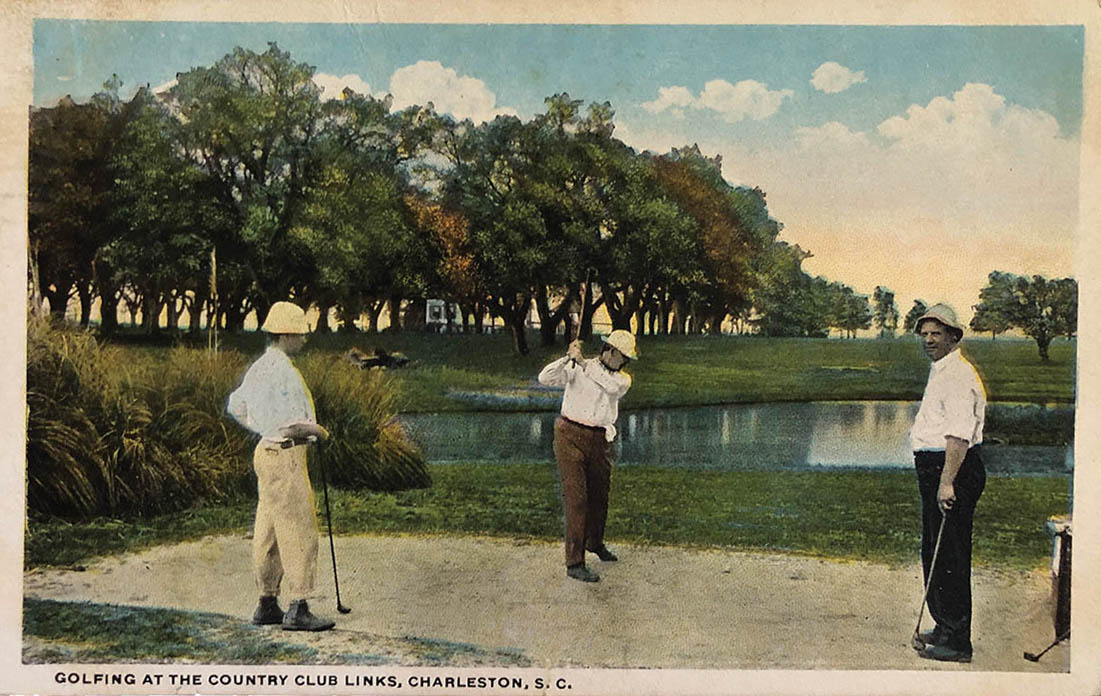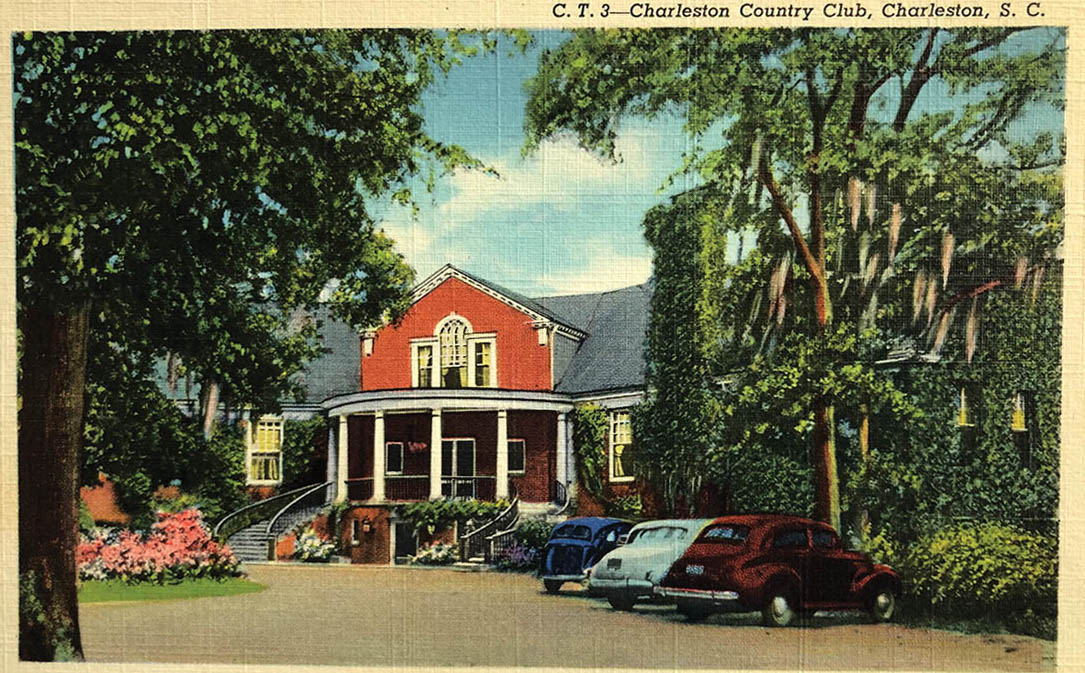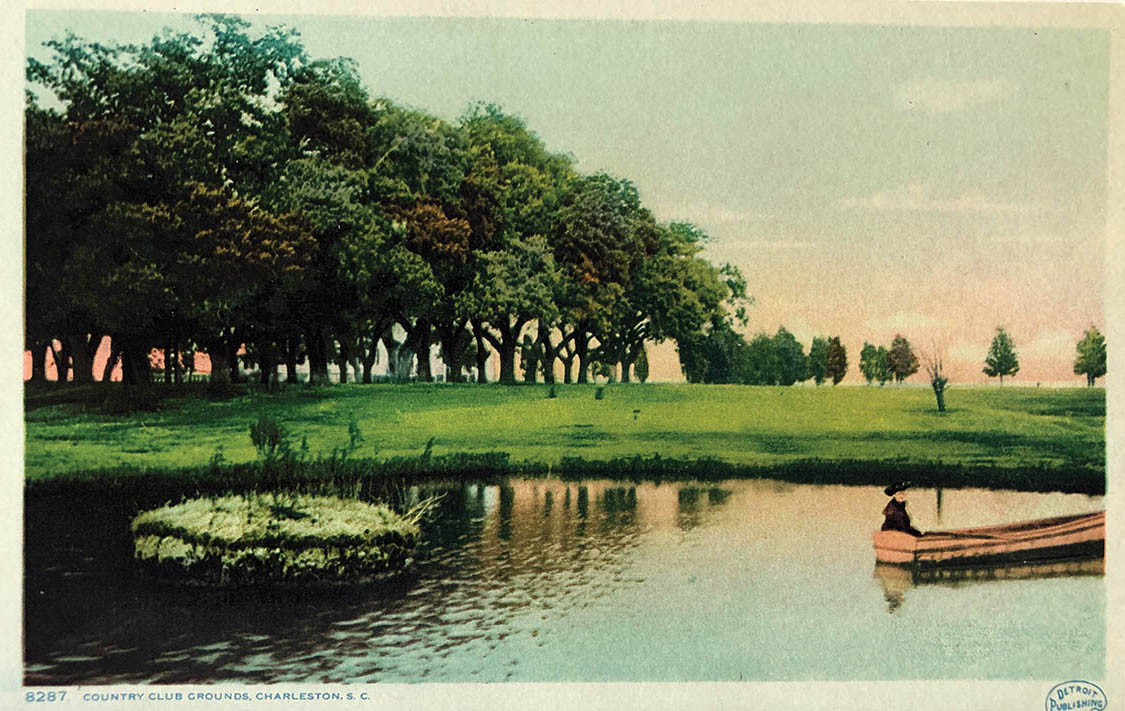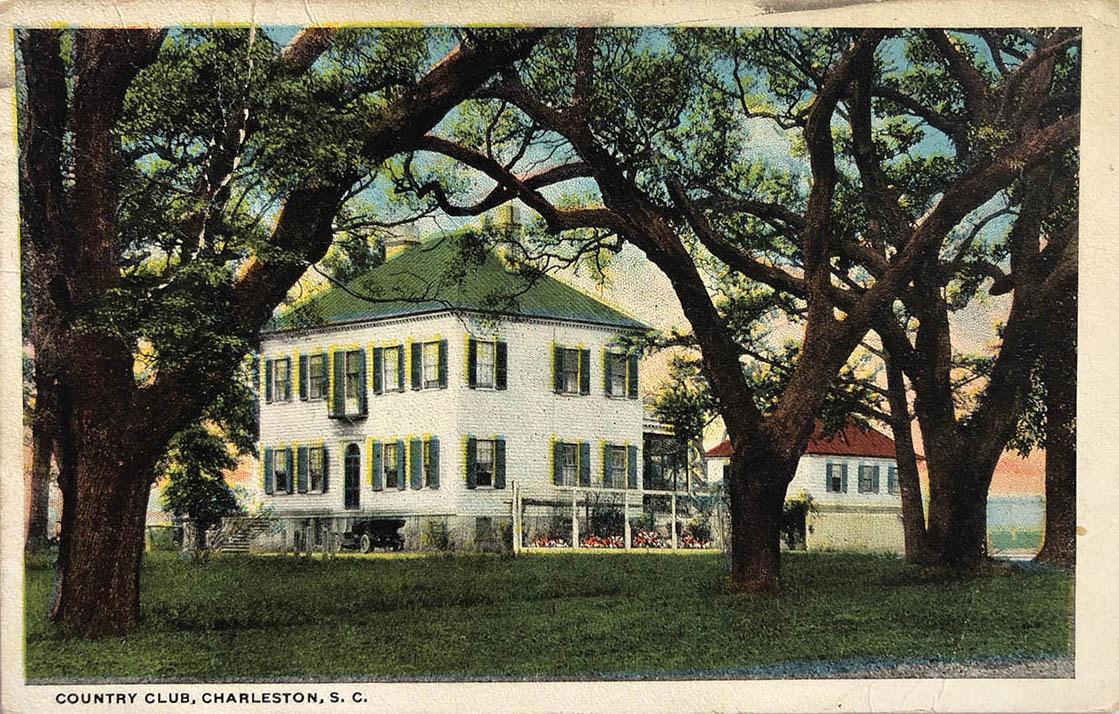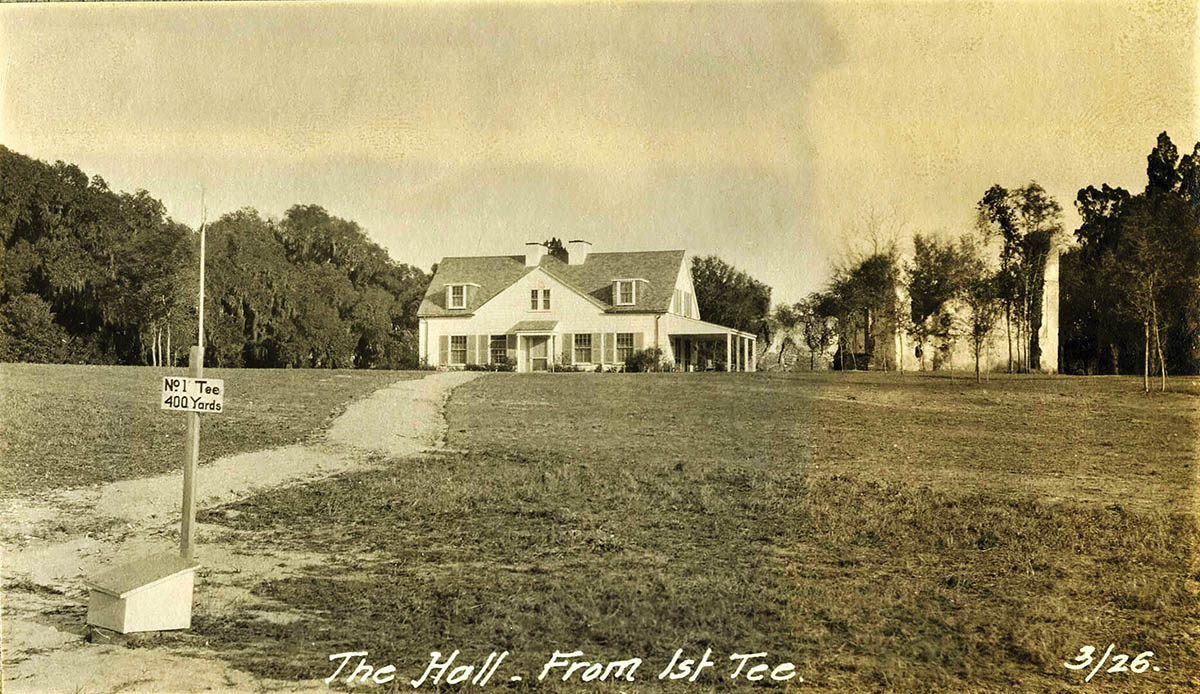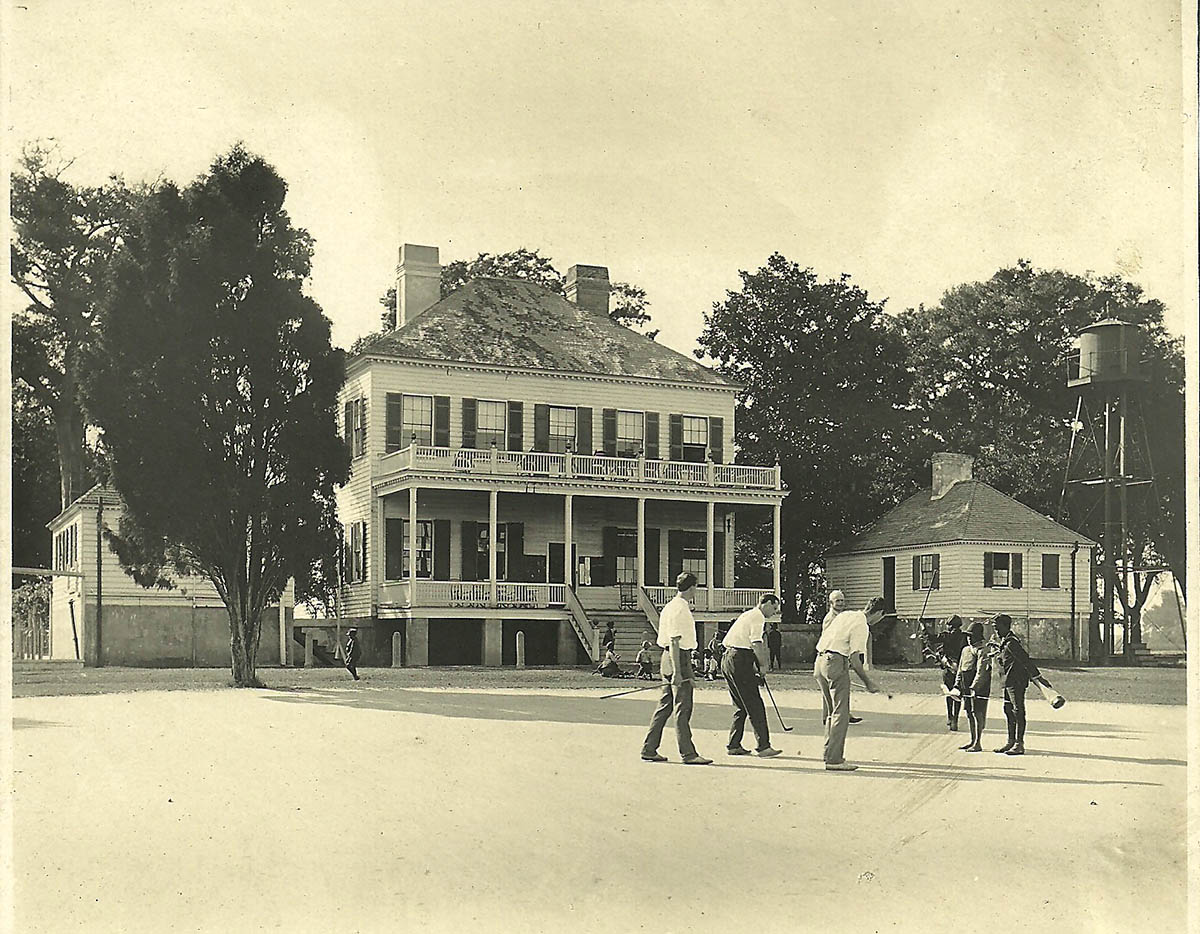
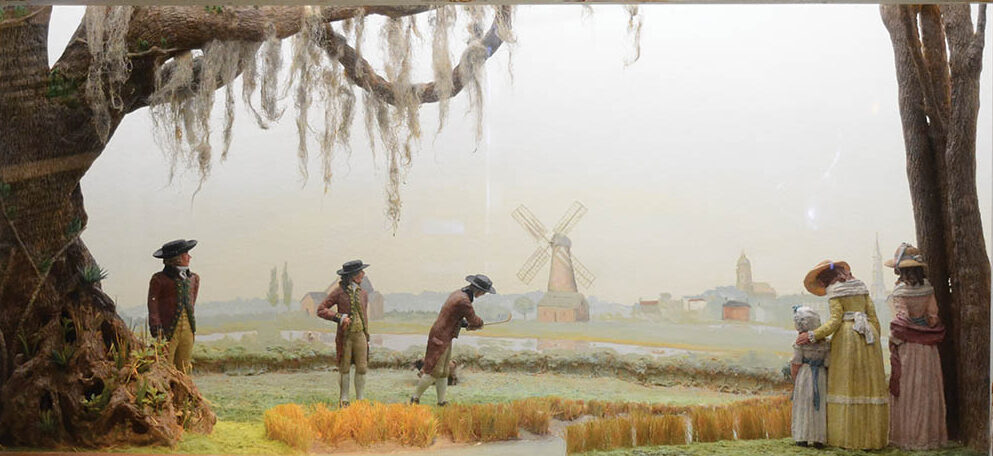
On June 29, 1739, the ship Carolina, inbound from the Port of Leith near Edinburgh, Scotland, pulled alongside a Charleston pier as dockworkers waited to unload its goods. Its cargo included a parcel addressed to prominent local merchant and Scottish emigrant William Wallace. It carried a bill of lading for one pound, 18 shillings and most unusual contents: a set of clubs called “woods” and a box of feather-stuffed leather balls—the basic equipment for a sport that had been popular in Scotland since the 14th century was making an inauspicious arrival in the New World. It was called golf.
At that time in Charleston, horse racing remained the favored pastime of the planter class, but almost everyone among the hard-working mercantile class of emigrant Scots—brewers, bankers, and booksellers alike—knew the game of golf from their homeland. (Leith Links, in fact, was one of Scotland’s earliest courses, a five-holer set in the middle of a race track dating back to 1672.) These men needed a break from the tedium of their labors and a breath of fresh air from their daily routines, and golf, then as today, afforded it. As the 18th-century novelist Tobias Smollett wrote of the course at Leith, “Such uninterrupted exercise, cooperating with the keen air from the sea, must, without all doubt, keep the appetite always on edge, and steel the constitution against all the common attacks of distemper.” He could just as easily have been describing Charleston.
As word spread back to the homeland that there was plenty of land, unobstructed views, and growing interest in America, more shipments arrived, perhaps sent in the hopes of new business prospects. Ninety-six clubs and 432 balls were delivered by the Magdalen in 1743 for the merchant David Deas—a mother lode. Andrew Johnston, who had several business interests, brought clubs and balls back with him from a trip home to Scotland in 1759. The sport grew.